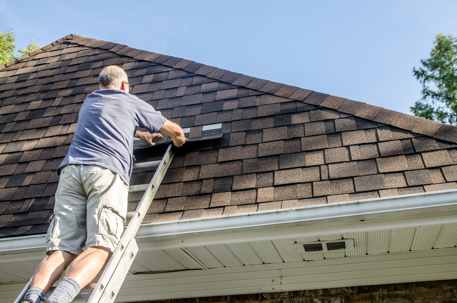
Taking care of your home is a point of pride for many of us in Nebraska. When a storm rolls through, and you see a loose shingle or a small drip in the attic, the instinct to grab a ladder and fix it yourself is strong. It feels like a quick way to save money and protect your property. However, the structure shielding your family is more complex than it looks from the driveway. Attempting your own fixes can lead to complications that actually increase your long-term costs.
The Reality of Roof Safety and Physical Risk
The most immediate danger of a do-it-yourself approach is the height and pitch of the structure. According to data from the International Association of Certified Home Inspectors, falls from ladders are a leading cause of emergency room visits for homeowners. Roofs in our area often have steep angles designed to shed heavy snow, which makes them incredibly difficult to walk on without specialized equipment.
Even if you feel comfortable with heights, several factors can make a roof unpredictable for an untrained person. You should be aware of these physical hazards before stepping onto a ladder:
- Unseen structural damage: Soft spots in the wood decking may not be visible under the shingles until you step on them.
- Surface hazards: Granule loss on older materials acts like marbles under your boots, while overhead power lines can be closer than they appear.
Misdiagnosing the Root Cause of Leaks
A leak in your ceiling rarely sits directly under the hole in your roof. Water is a traveler; it often enters at one point, runs along a rafter or a piece of plywood, and drops down far from the original entry. When homeowners try to patch a spot they think is the problem, they often leave the actual vulnerability wide open. This leads to a false sense of security while water continues to rot the internal structure of the home.
Reliable water management requires looking at the entire system rather than just the surface. Professionals use a systematic approach to find the true source of moisture. To properly diagnose an issue, a technician will typically evaluate:
- Compromised flashing around chimneys and vents where metal meets shingle.
- Ice damming caused by poor attic ventilation rather than broken materials.
- Clogged or sagging gutters that are backing water up under the eave line.
The Hidden Cost of Voided Warranties
Most high-quality roofing materials come with manufacturer warranties that last for decades. However, these agreements almost always require that the materials be installed or repaired by a licensed professional following specific guidelines. If you patch a hole yourself and use the wrong type of fastener or sealant, you could accidentally void the warranty on your entire roof.
This means that if a major manufacturing defect happens later, the company may refuse to cover the cost because of the unauthorized work performed. Manufacturers are very strict about technical details, such as the exact number of nails used per shingle and the use of specific sealants that won't cause the asphalt to degrade prematurely.
Risks of Improper Attic Ventilation
A roof isn't just a lid; it is a breathing part of your home’s climate control. Many DIY repairs focus so much on stopping water that they accidentally block the airflow. If you cover up soffit vents or install the wrong type of ridge vent, heat and moisture get trapped in your attic. During an Omaha winter, this trapped heat melts snow on the roof, which then refreezes at the cold edges, creating dangerous ice dams.
In the summer, an unventilated attic can reach temperatures over 150°C. This heat literally cooks your shingles from the inside out, making them brittle and shortening their lifespan by years. Keeping the balance of air intake and exhaust is a science that requires calculating the square footage of your attic space.
Ensuring Structural Integrity Through Professional Care
Maintaining a safe and dry home requires a deep understanding of how different exterior components work together to shed water and resist wind. While small patches might seem like a simple weekend task, the technical requirements for a lasting repair are high. Choosing to have an expert evaluate your property ensures that every structural element, from the ventilation to the perimeter drainage, is functioning as intended. This professional oversight prevents the snowball effect where a small, poorly handled leak turns into a major structural wood rot issue that threatens the value of your entire home.
At TDH Contracting, we focus on providing long-term security through detailed roof inspections and precision shingle roofing repairs. Our team understands the specific pressures Nebraska weather puts on your home, and we use that local expertise to provide specialized siding and gutter services that keep your foundation dry. Whether you are dealing with storm damage or general wear, we apply a technical approach to identify hidden vulnerabilities and restore your home’s defense. We prioritize clear communication so you understand exactly what your home needs to stay protected for years to come.
Don't risk your safety or your home's value on a temporary fix. Contact the local experts at TDH Contracting today at (402) 539-5950 or to ensure your roof is ready for whatever the Nebraska sky drops next.